A Comprehensive Guide to Building a House: The Reinforced Concrete Style From Start to Finishes
Have you ever looked at an empty plot of land and imagined a beautiful home standing right there? It is an exciting dream, but turning that dream into a reality can feel a little bit scary if you don’t know where to start. Building a house is a journey, much like planning a long road trip. You need a map, a reliable vehicle, and enough fuel to get you to your destination. When we talk about the "reinforced concrete style," we are talking about building a home that is tough, durable, and built to last for generations.
This guide is here to walk you through every single step of the process. We aren't going to use big, confusing engineering words that give you a headache. Instead, we will break it down into simple, bite-sized pieces. Whether you are planning to build your forever home or just curious about how construction works, understanding the basics is the best power you can have. By the time you finish reading, you will look at construction sites with a whole new pair of eyes.
The method we are focusing on—reinforced concrete—is the most popular way of building a house in many parts of the world because of its strength. It combines concrete (which is like a strong rock) with steel bars (which are flexible and tough). Together, they make a superhero team that keeps your house standing tall against storms, time, and gravity. Let’s grab our hard hats and dive into exactly how this works, from the very first drawing to the final coat of paint.
Preparation Before Building a House: The Planning Phase
Before you ever see a shovel hit the dirt, the most important work happens on paper. You cannot bake a cake without a recipe, and you certainly cannot succeed at building a house without a solid plan. This phase is all about gathering your team of experts. You need an architect to draw the design and a structural engineer to calculate the math. The engineer makes sure the building won’t fall down by deciding how thick the concrete needs to be and how much steel needs to go inside it.
Think of the architectural drawings as the instruction manual for a LEGO set. Without that manual, the builders won’t know where to put the bricks or how high to build the walls. During this time, you also have to get permissions from the government or local council. This is like asking for a "hall pass" to ensure your building is safe for the neighborhood. If you skip this step, you might face big fines or, even worse, have to tear your building down later.
Once the paperwork is done, the physical preparation begins. The land needs to be cleared of bushes, trees, and trash. It needs to be leveled out so it is flat. Imagine trying to build a tower of playing cards on a bumpy rug; it would just fall over, right? The same rule applies here. The ground is prepared to ensure it is strong enough to hold the massive weight of the concrete and steel that is coming next.
Laying the Foundation: The Roots of Building a House
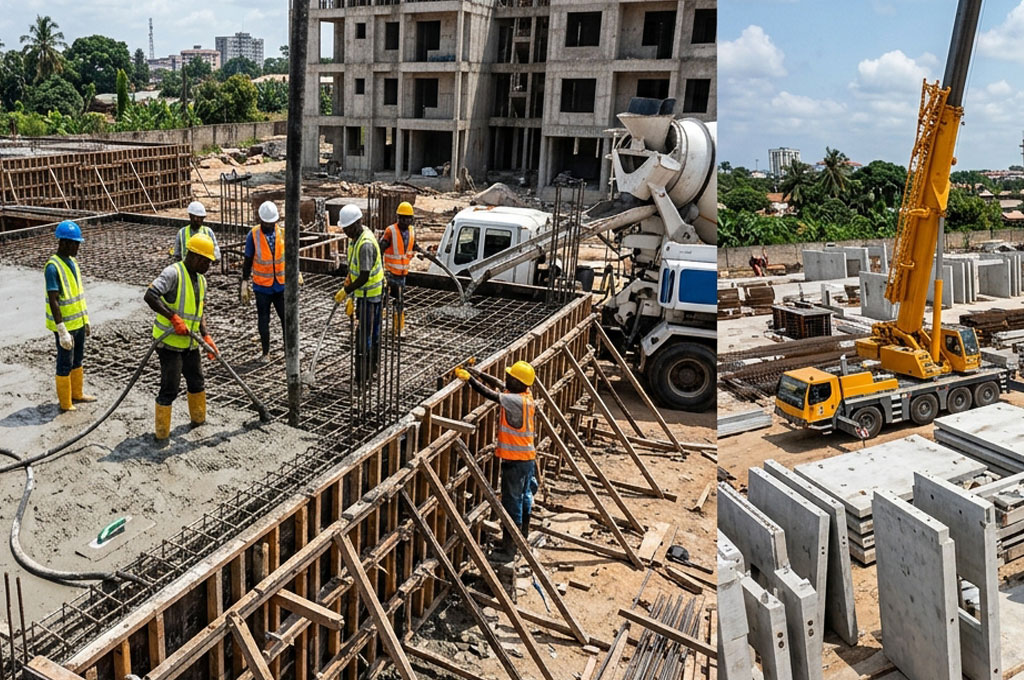
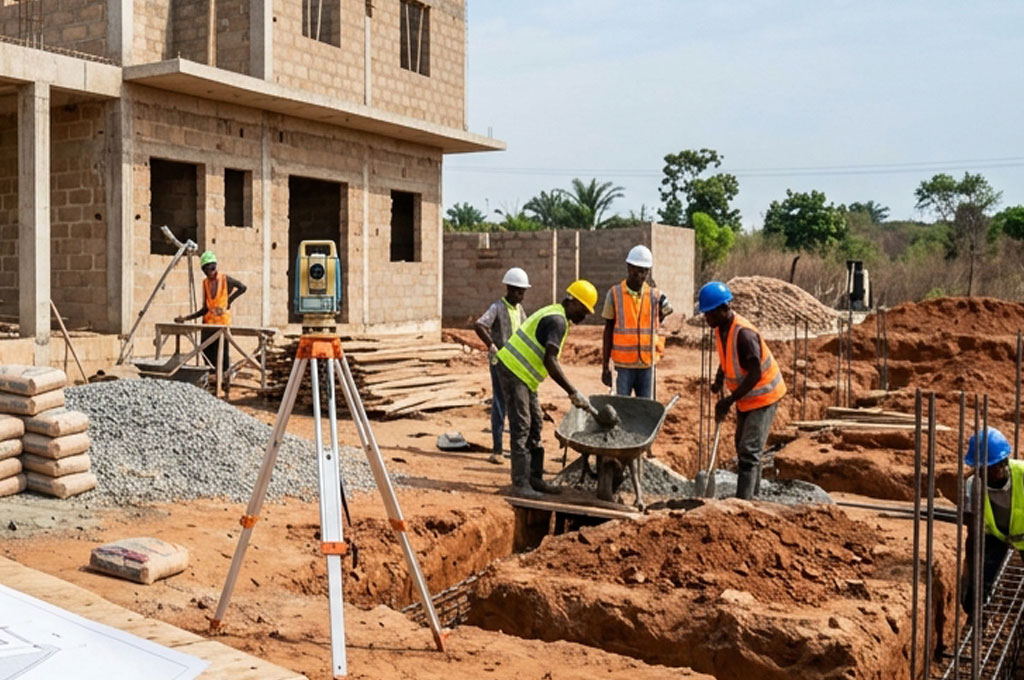
Now, the real dirty work begins. The foundation is exactly like the roots of a giant tree. You might not see the roots when you look at a beautiful oak tree, but without them, the wind would blow the tree over in seconds. When building a house, the foundation transfers the weight of the entire building into the ground. For a reinforced concrete house, we usually dig trenches or big holes where the columns (the legs of the house) will stand.
In the bottom of these holes, builders place a woven basket of steel bars. This is called the "reinforcement" or "rebar." Concrete is very strong when you squeeze it, but it can crack if you try to bend it. Steel is the opposite; it is great at resisting bending. By putting the steel inside the hole and pouring wet concrete over it, you create a footing that is incredibly strong. This footing acts like a big snowshoe, spreading the weight of the house over the soil so it doesn't sink.
After the concrete is poured into these holes, it needs time to dry and cure. Curing isn't just drying; it is a chemical reaction that makes the concrete hard as a rock. Builders often water the concrete like a plant during this stage to keep it from drying out too fast and cracking. Once this "root system" is solid, you have officially started the journey of building a house that will stand the test of time.
The Skeleton: Reinforced Concrete Columns and Beams
This is where the "reinforced concrete style" really shines. In some wooden houses, the walls hold up the roof. But in this style, we build a skeleton first. Imagine your own body. Your muscles and skin don't hold you up; your skeleton does. In construction, the "columns" are the vertical legs, and the "beams" are the horizontal arms. Together, they form a rigid frame that carries all the weight.
To build these, workers put up wooden or metal molds, which are basically boxes shaped like pillars. They put long steel bars inside these boxes and tie them together with wire. Then, they mix cement, sand, stone, and water to create the concrete. This mixture is poured into the molds, surrounding the steel completely. It is a bit like making a popsicle—the mold gives it shape, and the stick (the steel) gives it support.
Once the columns are dry, the builders construct the beams on top of them, connecting the columns together. This ties the whole house together. This frame is so strong that you could technically have a house with no walls, just a roof and pillars, and it would still stand up perfectly. This step is critical when building a house because if the skeleton is crooked or weak, nothing else you add later will fit correctly.
Walls and Roofs: Enclosing Your Space
Now that the skeleton is standing, it is time to put some skin on the bones. This is where the walls come in. In a reinforced concrete frame, the walls are usually just there to divide rooms and keep the weather out. They are often made of blocks or bricks. Builders use mortar (a mix of sand and cement) like glue to stick the blocks together between the concrete columns.
Watching the walls go up is one of the most satisfying parts of building a house. Suddenly, you can see where the bedroom is, where the kitchen goes, and where the front door will be. It transforms from a concrete jungle gym into something that looks like a home. At the same time, the roof structure is added. Whether it is wood trusses or a concrete slab, the roof acts like a hat. It protects everything inside from rain, sun, and snow.
The roof needs to be completely waterproof. If water gets inside, it can damage the concrete and rust the steel bars hidden inside. This is why builders spend a lot of time sealing the roof. They might use metal sheets, tiles, or special waterproof paint. Once the roof is on and the walls are up, the house is officially "enclosed." It is now a safe shelter, even if it looks a bit rough and grey on the inside.
The Finishes: Turning a Structure into a Home
We have reached the final stretch of building a house. This is the stage where the house gets its personality. Up until now, it has been all about grey concrete and red bricks. Now, we add the systems that make the house livable. This includes plumbing (the veins of the house) and electrical wiring (the nerves). Pipes are hidden inside the walls to bring fresh water in and take waste water out. Wires are run to where every light switch and plug will be.
After the pipes and wires are installed, the walls are plastered. Plastering is like icing a cake; it covers up the rough bricks and makes the walls smooth and flat. Once the plaster is dry, the painters come in to add color. At the same time, the floor is finished. You might choose cool tiles, warm wood, or soft carpet. This is the part where your personal style really starts to show.
Finally, the fixtures are installed. Sinks, toilets, light bulbs, doors, and windows are put in place. It is the little details that matter here. A beautiful front door or a shiny kitchen tap can make a huge difference. When the dust is swept away and the final light bulb is screwed in, the process of building a house is complete. You have gone from a drawing on a piece of paper to a solid, safe, and beautiful place to live.
Conclusion
Building a house using the reinforced concrete method is a big project, but it is also a straightforward process when you break it down. It starts with a dream and a plan, moves to a strong foundation, rises up with a concrete skeleton, gets enclosed by walls, and finally comes to life with beautiful finishes.
It is a journey of patience. You cannot rush concrete drying, and you cannot skip steps in the planning. But the reward is incredible. You get a home that is strong, safe, and built exactly the way you wanted it. Whether you are hiring a contractor or managing the project yourself, knowing these steps helps you stay in control. So, are you ready to start planning your dream home? The ground is waiting!