
Building Maintenance Practices for Homeowners: A Simple Guide to Keeping Your Home in Good Shape
Owning a home is exciting, but it also comes with responsibility. A house does not stay strong and comfortable simply because it was well built. Like a car, it needs regular attention to keep everything working properly. This is why learning basic building maintenance practices for homeowners can save you money, stress, and time.
Many homeowners only call a professional when something has already gone wrong. A leaking roof becomes a damaged ceiling, a small plumbing leak turns into damp walls, and a blocked drainage channel eventually causes water to collect around the building. What could have been a simple repair can become an expensive project.
The good news is that home maintenance does not always require complicated skills. By inspecting your property regularly and dealing with small problems early, you can protect your home and extend the life of many of its parts.
Building Maintenance Practices for Homeowners: Start With Regular Inspections
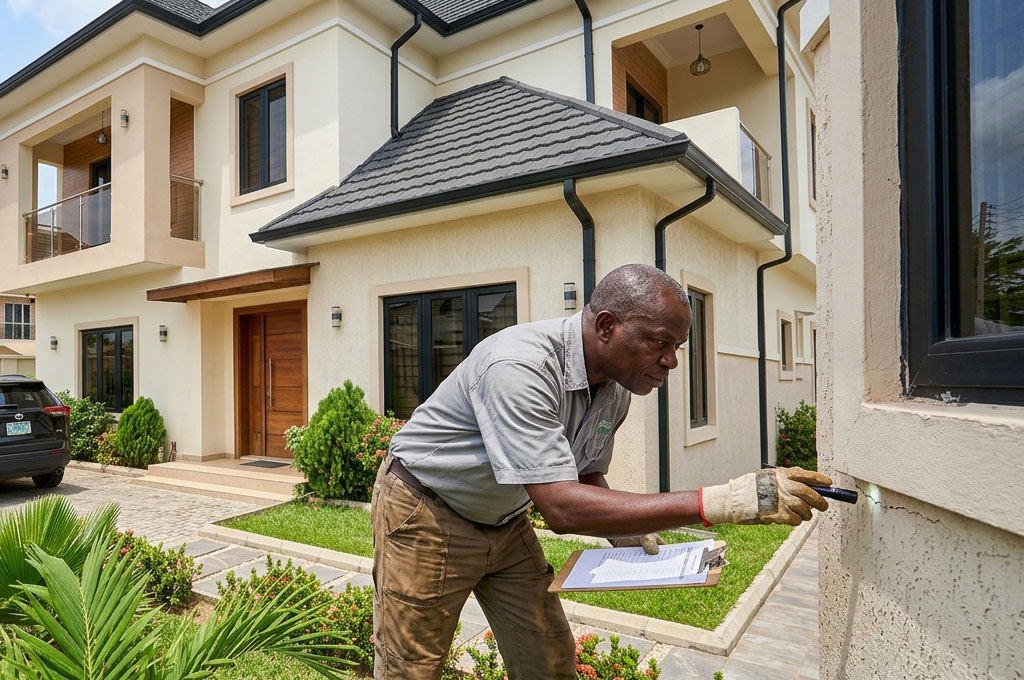 One of the most useful building maintenance practices for homeowners is simply looking around the property regularly. You do not have to be a building expert to notice that something has changed. Walk around your home and pay attention to unusual cracks, stains, smells, sounds, loose fittings, or areas that appear different from before.
Think of your house as you would a person going for a routine health check. You do not wait until someone becomes seriously ill before checking their health. In the same way, regular inspections can help you discover problems while they are still small. A ten-minute inspection every few weeks can sometimes prevent a major repair later.
Start with areas that are easy to see. Look at the roof, ceilings, walls, windows, doors, floors, plumbing fixtures, and external drainage. If you notice something unusual, do not ignore it simply because it appears small. Take a photograph and monitor it or ask a qualified professional to examine it when necessary.
Check Your Roof and Ceiling
Your roof protects almost everything underneath it, so it deserves special attention. Look for missing or damaged roofing materials, blocked gutters, water stains, or areas where rainwater appears to enter. Inside the house, brown or dark ceiling marks may indicate a moisture problem that needs investigation.
You should also pay attention after heavy rainfall. Walk through the rooms and check whether there are new stains, dripping water, damp smells, or unusual patches on the ceiling. Finding a leak early is much easier than replacing damaged ceiling materials and repairing everything underneath them.
Never climb onto a roof if you are not properly equipped or trained to do so. From the ground, you can inspect what is visible, while a qualified roofing professional can safely check areas that require closer examination.
Inspect Walls, Floors, Doors, and Windows
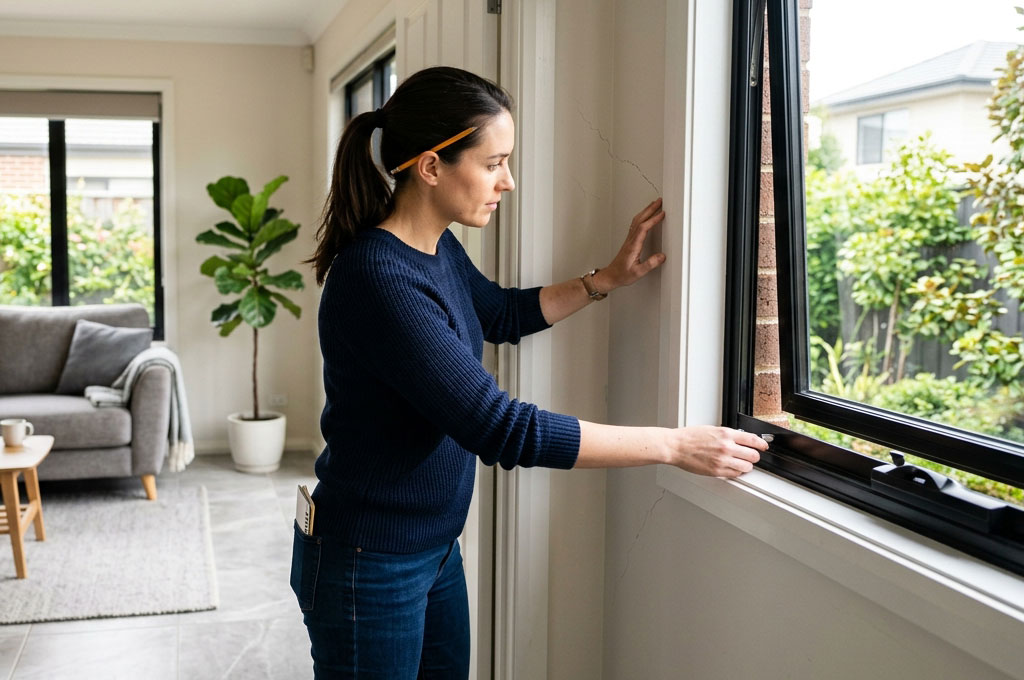
Walls and floors can also provide clues about the condition of your home. Small changes such as peeling paint, damp patches, loose tiles, or new cracks should be observed. Not every crack means the building has a serious structural problem, but unusual or growing cracks deserve professional attention.
Doors and windows should open and close properly without excessive force. Check their frames, locks, hinges, and seals. A window that no longer closes properly may allow rainwater into the house or make the room less comfortable.
These simple checks are useful because they help you notice changes over time. Your home is familiar to you, so you are often the first person who can spot something that does not look right.
Building Maintenance Practices for Homeowners: Protect Your Home From Water Damage
Water is one of the biggest enemies of buildings. It can enter through roofs, plumbing systems, windows, walls, and poor drainage. Once moisture gets where it should not be, it can contribute to damaged finishes, unpleasant smells, mould growth, and deterioration of building materials.
Good building maintenance practices for homeowners therefore include regular checks of plumbing and drainage. Look under sinks, around toilets, near water heaters, and around visible pipes. If you notice a persistent wet area, dripping fitting, or unexplained increase in water use, investigate the cause instead of simply wiping the water away.
Outside the house, make sure rainwater has a clear path away from the building. Gutters and drainage channels should not be filled with leaves, rubbish, or mud. Water should not remain around the foundation after rainfall. Good drainage is like giving rainwater a road to follow instead of allowing it to gather around your home.
Building Maintenance Practices for Homeowners: Maintain Electrical and Safety Systems
Electrical systems require special care because problems can create serious safety risks. Watch for damaged cables, loose sockets, broken switches, flickering lights, burning smells, or circuit breakers that trip repeatedly. These signs should not be ignored.
Homeowners should avoid attempting complicated electrical repairs themselves. If an electrical problem goes beyond replacing an ordinary bulb or another simple task, use a qualified electrician. Saving a little money by attempting an unsafe repair can create a much bigger problem.
Safety equipment should also be checked regularly. Make sure smoke alarms and other safety devices are working properly where applicable. Keep important exits clear, ensure exterior lighting works, and check that doors and locks are in good condition. Good home maintenance is not only about protecting the building; it is also about protecting the people inside it.
Building Maintenance Practices for Homeowners: Take Care of the Exterior
The outside of your house faces sun, rain, wind, dust, and changing weather throughout the year. Over time, these conditions can affect paint, walls, doors, windows, roofing materials, and other external surfaces. Regular exterior maintenance helps prevent small defects from becoming larger problems.
Look at areas where paint is peeling, walls are becoming damp, or external finishes are breaking down. If water is repeatedly hitting a particular wall because of a drainage problem, painting over the damage will not solve the real issue. The source of the moisture should be dealt with first.
The surrounding property also matters. Keep vegetation from blocking drainage paths, remove rubbish that could attract pests, and watch for signs of termites or other unwanted insects. A clean and well-maintained environment makes it easier to spot problems before they spread.
Create a Simple Home Maintenance Schedule
 A common mistake is trying to remember every maintenance task in your head. Instead, create a simple home maintenance checklist. You could divide tasks into weekly, monthly, quarterly, and yearly activities. This makes building maintenance feel less like a huge project.
For example, you might check for plumbing leaks and clean important areas regularly. Every few months, you could inspect the roof from the ground, examine external walls, clean drainage channels, and check doors and windows. Some systems, such as electrical installations or major structural components, may require professional inspection at appropriate intervals.
Keep a simple record of repairs as well. Write down what was repaired, when it was done, and what materials or equipment were used. This gives you a useful history of the property and can help you recognize recurring problems.
The Solution: Make Preventive Maintenance a Habit
 The best solution to many home maintenance problems is prevention. Instead of waiting for something to fail completely, look for warning signs and deal with them early. A small repair today can often prevent a much larger repair tomorrow.
You do not need to spend every weekend working on your house. The key is consistency. Spend a little time inspecting your property, keep drainage clear, respond quickly to leaks, maintain the exterior, and call qualified professionals when a problem requires specialist knowledge.
These building maintenance practices for homeowners can help keep your property safer, more comfortable, and in better condition for many years. Most importantly, they help you stay in control instead of constantly reacting to emergencies.
Conclusion
well-maintained home does not happen by accident. It comes from paying attention to small details and taking action before minor problems become major ones. Regular inspections, water management, electrical safety, exterior care, and a simple maintenance schedule can make a significant difference.
Whether you have just built your first house or have lived in your property for many years, it is never too late to improve your building maintenance practices for homeowners. Start with a simple inspection today, make a checklist, and turn maintenance into a normal part of owning a home.
If you are planning to build a new home, remember that maintenance starts with good planning and a suitable house design. Explore well-planned house designs and house plans that can help you create a home that is practical, comfortable, and easier to maintain.