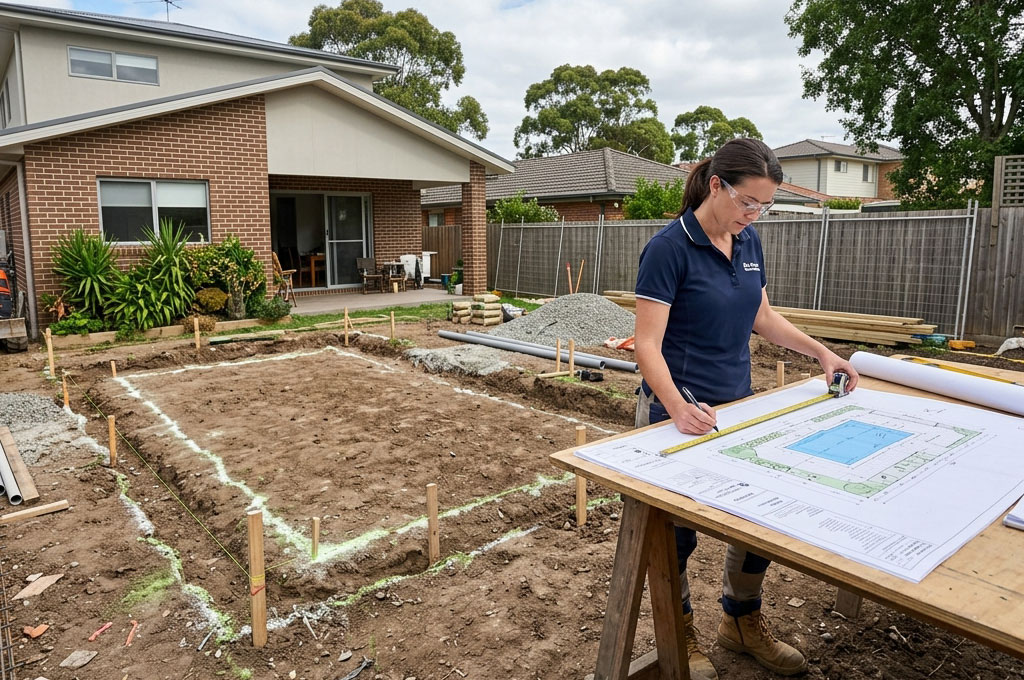
Small In-Ground and Above-Ground Swimming Pool Design Ideas
A small backyard does not mean you have to give up on having a swimming pool. With the right layout, even a compact outdoor space can become a comfortable place to swim, relax, and spend time with family. The key is choosing a pool design that fits your available space instead of trying to force a large pool into a small yard. In this guide, we will explore practical small in-ground and above-ground swimming pool design ideas that can help beginners make better choices before construction begins.
One of the biggest mistakes homeowners make is focusing only on how attractive a pool looks in a picture. A design that looks perfect in a large backyard may feel crowded in a smaller one. You also need to consider walking space, drainage, access, safety, maintenance, and the position of other outdoor features. Thinking about these details early can save you from expensive changes later.
Whether you want a permanent in-ground pool or a more affordable above-ground option, there are many ways to make a compact swimming area attractive and useful. The best design is not necessarily the biggest or most expensive one. It is the design that makes sensible use of the space you already have.
Why Small Swimming Pools Are Becoming Popular
Small swimming pools are becoming an attractive option for homeowners who want the benefits of a pool without dedicating most of their backyard to it. A compact pool can provide a place for cooling off, light exercise, relaxation, and family activities while leaving enough outdoor space for other uses. For a beginner, this can make a smaller pool much easier to manage than a large installation.
Another advantage is that a smaller pool can fit into unusual spaces. A narrow backyard, side yard, courtyard, or compact garden may still have enough room for a carefully planned pool. Instead of seeing limited space as a problem, think of it as a design challenge. A long, narrow pool, for example, can work surprisingly well where a traditional rectangular pool would not.
Cost and maintenance can also influence the decision. A smaller pool generally requires less water and may require fewer resources to maintain than a much larger pool. However, construction costs vary widely depending on the design, materials, ground conditions, equipment, and local labor costs. It is therefore important to compare the complete project rather than assuming that a smaller pool will automatically be inexpensive.
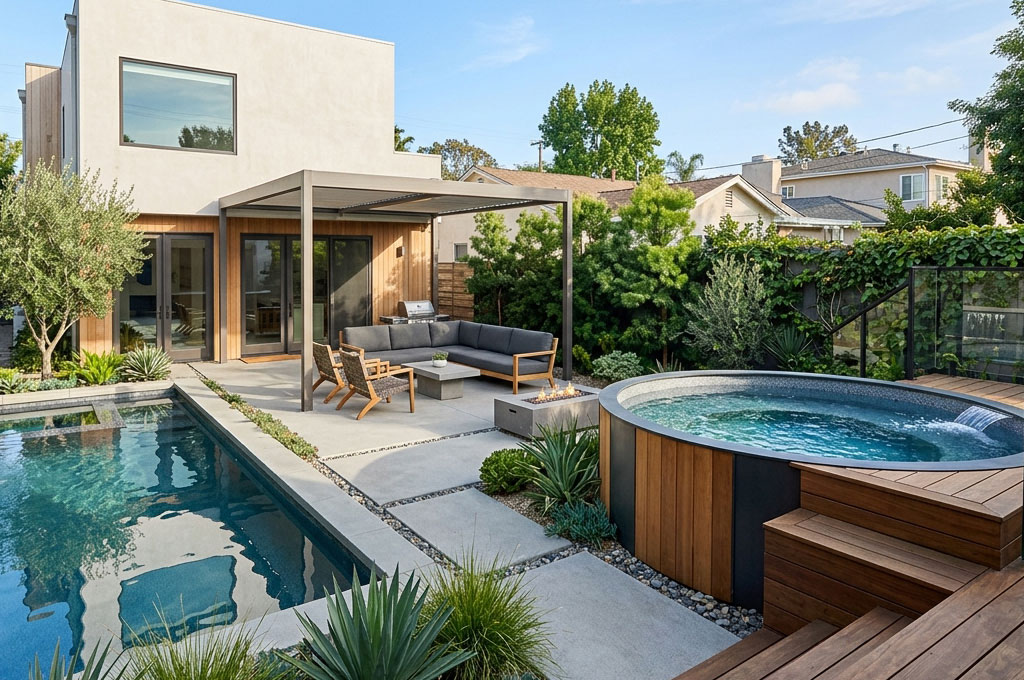 Small In-Ground Swimming Pool Design Ideas for Compact Yards
One of the most effective small in-ground swimming pool design ideas is a simple rectangular pool. Its clean shape makes it easier to position against a wall, fence, patio, or house while preserving useful space around it. A narrow rectangular pool can also create a modern appearance without making the backyard feel unnecessarily crowded.
For a more interesting look, you can consider a compact geometric pool with carefully planned corners or a slightly different shape. The important thing is to avoid adding complicated curves simply for decoration if they reduce usable swimming space. In a small yard, every part of the pool should have a purpose. A simple design can often look more elegant than one with too many unnecessary features.
The surrounding area is just as important as the pool itself. Light-colored paving, simple landscaping, and a clear walking path can make a compact backyard feel more open. Instead of filling every remaining space with furniture or decorative features, leave some visual breathing room around the pool. This creates a cleaner appearance and makes the entire outdoor area feel larger.
Small Above-Ground Pool Ideas for Beginners
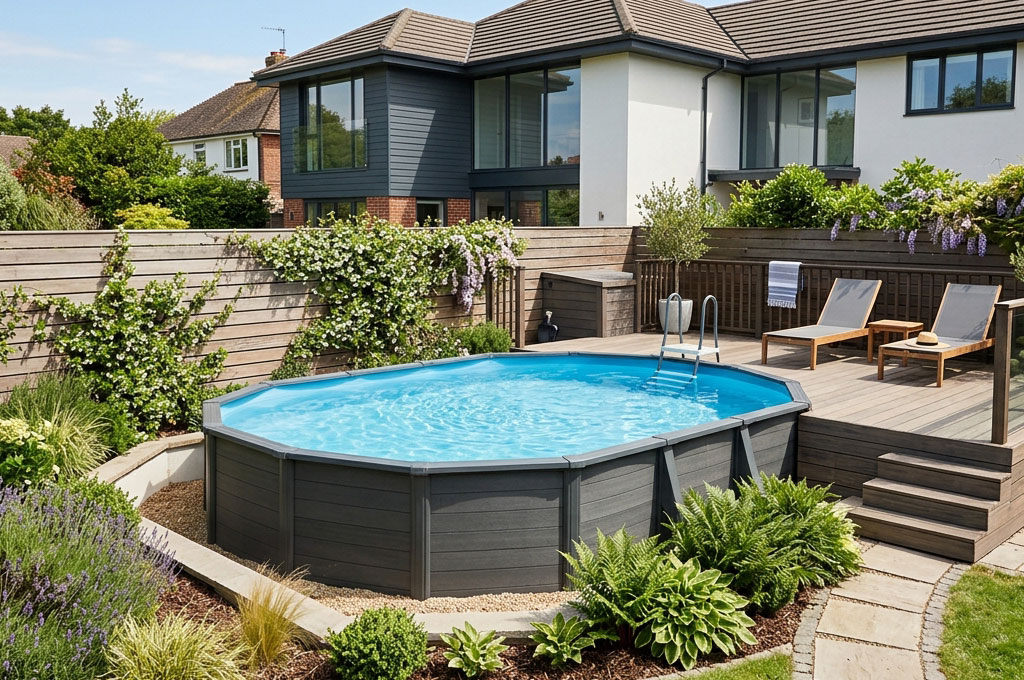 Above-ground pools can be a practical choice when you want a swimming area without the extensive excavation associated with many in-ground installations. They are available in different shapes, sizes, and finishes, allowing homeowners to choose an option that suits their available space. For beginners, they can also make it easier to understand how a pool fits into the backyard before committing to a more permanent design.
The area underneath and around an above-ground pool needs careful attention. The pool should sit on a suitable, stable surface rather than simply being placed wherever there happens to be open ground. Uneven ground can create problems, so proper preparation is important. You should also think about where people will enter and leave the pool and whether there is enough room to move safely around it.
An above-ground pool does not have to look temporary or unattractive. A thoughtfully designed deck, suitable paving, privacy screening, and simple landscaping can help integrate the pool into the backyard. The goal is to make the pool look like part of the outdoor space rather than an object that was simply placed in the middle of it.
How to Choose the Right Pool Shape and Size
The shape of your backyard should influence the shape of your pool. If your outdoor space is long and narrow, a long rectangular design may make better use of the available area. If the yard is wider but shallow, a different proportion may work better. Before choosing a pool, measure the usable space and consider existing structures such as walls, fences, buildings, trees, and outdoor utilities.
It is also important to think about how you actually intend to use the pool. A homeowner who mainly wants a place to cool down may need a very different design from someone who wants to swim for exercise. Families may also want enough surrounding space for movement and supervision. Choosing a pool based on its intended use prevents you from paying for space that you rarely use.
Remember that the pool is only one part of the project. You need room for access, equipment, drainage, maintenance, and safe movement around the swimming area. A pool that occupies almost the entire backyard may technically fit, but it can make the space uncomfortable. A slightly smaller pool with better surrounding space can often provide a much better overall result.
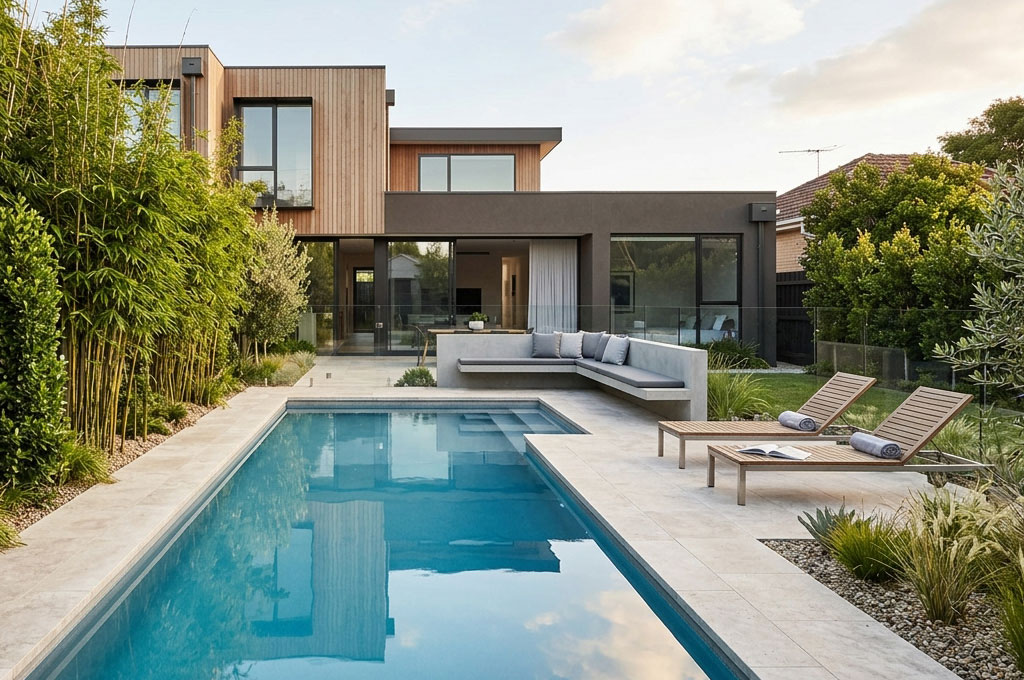 Smart Design Features That Make a Small Pool Feel Bigger
One of the simplest ways to make a compact pool area feel larger is to keep the design visually clean. Too many colors, structures, plants, and decorative objects can make a small space appear even smaller. A consistent material and color scheme around the pool can create a smoother visual connection between different parts of the backyard.
The position of the pool can also make a major difference. Placing it toward one side of the yard may leave a larger uninterrupted area for seating, planting, or outdoor activities. In some situations, positioning the pool close to a boundary can create more usable space than placing it directly in the center. However, local building requirements and required clearances should always be checked before construction.
Another useful approach is to combine functions. A compact deck can provide both access to the pool and space for sitting. Built-in seating can reduce the need for bulky furniture. Simple vertical landscaping can provide privacy without taking up as much ground space as large shrubs. These small decisions can make a compact pool area feel more organized and spacious.
Planning Your Small Swimming Pool Before Construction
Good planning is one of the most important parts of creating a successful small pool. Before construction begins, consider the location, pool dimensions, access, drainage, equipment, electrical requirements, water supply, and surrounding landscape. It is much easier to change a drawing than to change a finished pool.
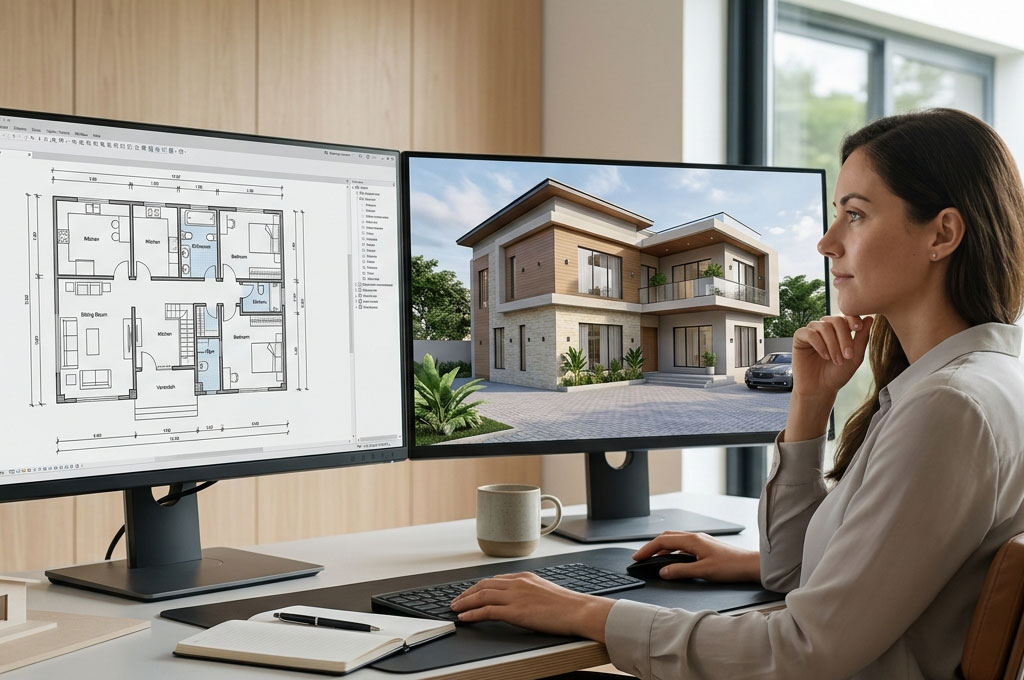
Creating a simple floor plan can help you understand how everything will fit together. You can experiment with the pool position, seating area, pathways, landscaping, and other outdoor features before making a final decision. Even if you are not a professional designer, a basic plan can reveal space problems that may not be obvious when looking at the empty yard.
You should also discuss the design with qualified local professionals before construction, especially where structural work, excavation, electrical systems, drainage, or building regulations are involved. Local requirements can vary, and a design that looks suitable on paper may require changes because of site conditions or regulations. Professional advice at the planning stage can help prevent costly mistakes.
Making the Most of a Small Pool Investment
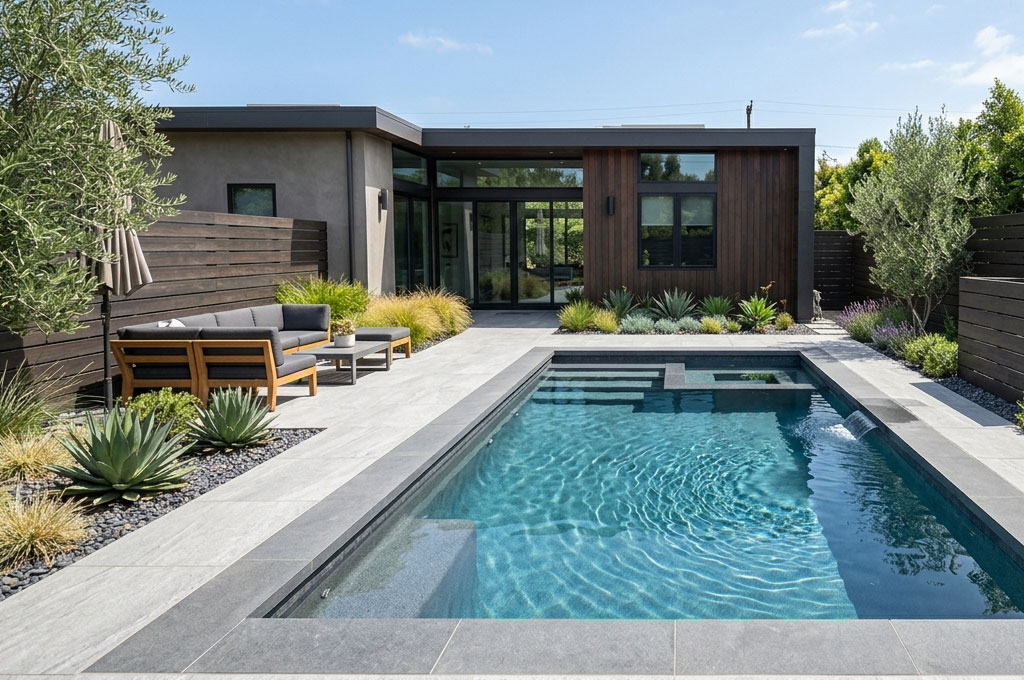 A small swimming pool should be designed around how you will actually use it rather than around trends. A homeowner may be tempted by waterfalls, elaborate lighting, oversized decks, or complicated shapes, but adding more features does not automatically create a better pool. In a compact space, thoughtful simplicity can provide greater value.
Think about long-term maintenance as well. Every additional feature can require cleaning, repairs, electricity, water management, or replacement. A straightforward pool with good circulation, appropriate equipment, durable finishes, and sensible drainage can be easier to maintain. This is particularly important for beginners who are still learning how pool ownership works.
The surrounding environment also affects how enjoyable the pool will be. Consider sunlight, shade, privacy, wind, drainage, and the position of the house. A beautiful pool that receives unwanted debris all day or has poor drainage may become frustrating to maintain. Good design considers the entire setting rather than focusing only on the pool itself.
Final Thoughts on Small In-Ground and Above-Ground Swimming Pool Design Ideas
The best small in-ground and above-ground swimming pool design ideas are not about squeezing the largest possible pool into a limited backyard. They are about using available space intelligently while creating an area that is comfortable, attractive, safe, and practical. A simple rectangular in-ground pool, a well-planned above-ground pool, or a narrow design can all work beautifully when matched to the property.
If you are a beginner, start by measuring your available space and deciding how you want to use the pool. Then create a simple layout that includes the pool, access areas, surrounding space, equipment, drainage, and any landscaping you want. Taking time to plan these elements before construction can make the entire project easier to manage.
Your dream pool does not have to be enormous. With thoughtful planning and the right design, even a modest backyard can become an inviting swimming and relaxation area. Explore different small in-ground and above-ground swimming pool design ideas, compare them with your available space, and create a plan that works for your home and lifestyle. If this guide helped you, consider sharing it with another homeowner planning a backyard pool or exploring related house and outdoor design ideas for your next project.
water gold
13 Sep 2026, 12:35 AMHow can I design a small swimming pool that is both stylish and space-efficient?