
Cracks on Walls or Any Other Structural Members: Causes, Warning Signs, and What to Do
Seeing cracks on walls can be worrying, especially when you are not sure whether they are harmless surface defects or signs of a more serious structural problem. A small line may look insignificant today, but its location, direction, width, and pattern can tell you a lot about what is happening in a building.
The good news is that not every crack means a building is unsafe. Some cracks occur naturally as plaster dries, materials expand and contract, or a building settles slightly. However, cracks affecting important structural members such as beams, columns, slabs, or load-bearing walls deserve much more attention.
This beginner-friendly guide explains the common causes of cracks on walls and other structural members, how to recognize warning signs, and what you should do when you discover them.
Why Do Cracks on Walls Appear?
Cracks on walls can develop for many different reasons, and understanding the cause is more important than simply looking at the crack itself. Think of a building like a person wearing clothes. If the person moves, grows, or changes position, the clothes may develop wrinkles. Similarly, when a building moves slightly or construction materials change, cracks can appear on its surfaces.
One common cause is normal movement caused by temperature and moisture changes. Building materials expand when heated and contract when they cool. Plaster, concrete, blocks, and other materials can therefore experience small movements over time. Poor plaster application, inadequate curing, or weak surface preparation can also create cracks that are mainly cosmetic.
However, cracks can sometimes be connected to settlement, foundation movement, excessive loads, poor construction, or deterioration of structural members. This is why simply filling a crack with cement or plaster may not solve the underlying problem. If the cause continues, the crack can return or become larger.
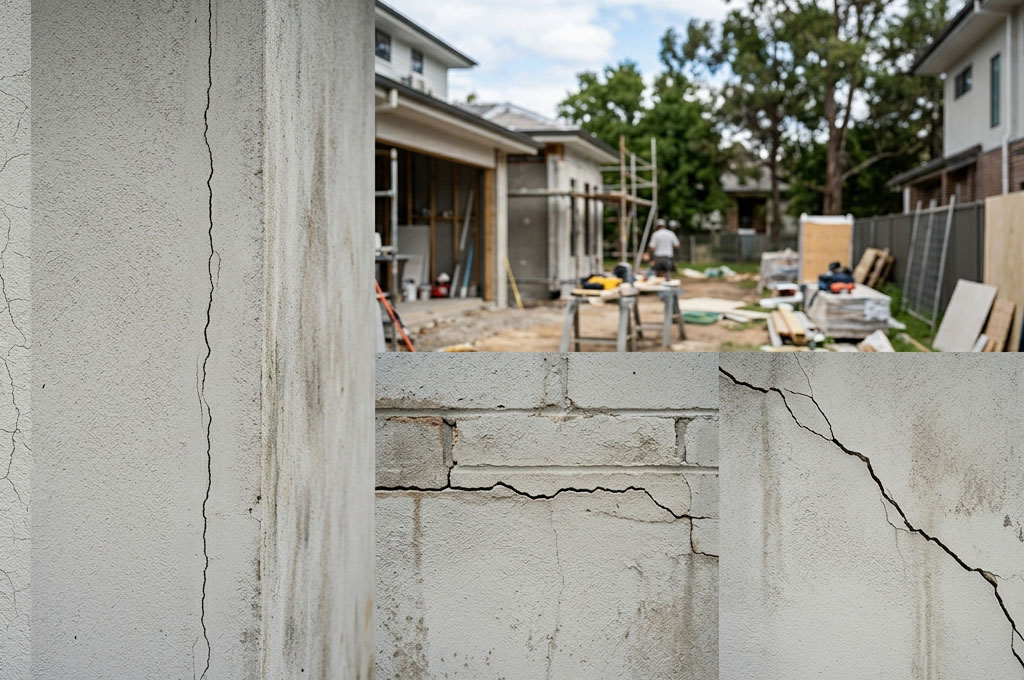 Types of Cracks on Walls You Should Know
Not all cracks on walls behave in the same way. A thin crack in a plaster finish may have little structural significance, while a large diagonal crack that continues through masonry may require professional investigation. Learning to distinguish between common crack patterns can help a homeowner know when to pay closer attention.
Hairline cracks are usually very thin and may occur in plaster, paint, or other finishes. They can result from drying, shrinkage, or minor movement. These cracks are often less concerning when they remain small, stable, and limited to the surface. Even so, it is useful to monitor them rather than immediately assuming they are harmless.
Wider cracks, diagonal cracks, cracks that repeatedly return, or cracks that pass through important parts of the building deserve greater attention. A crack that appears around a door or window may also be significant depending on its pattern and cause. The important lesson is that the appearance of a crack provides clues, but it does not always reveal the complete cause.
Cracks on Walls vs. Cracks in Structural Members
There is an important difference between a crack in a surface finish and a crack affecting a structural member. A plaster crack may only involve the finishing layer, while a crack that extends into concrete, masonry, a beam, column, or slab may require a more careful assessment.
Structural members carry and transfer loads through a building. Columns support loads from upper parts of the building, beams transfer loads, and slabs carry loads from floors and other elements. Because these members play an important role in keeping a building stable, visible cracking in them should not be casually treated as a cosmetic problem.
For beginners, the safest approach is simple: do not try to determine structural safety from appearance alone. If a crack is located on a beam, column, slab, foundation, or other important structural element, especially if it is widening or accompanied by other signs of movement, have it assessed by a qualified building professional or structural engineer.
What Causes Serious Cracks in Buildings?
One possible cause of serious cracking is foundation movement. Soil beneath a building can change because of moisture, poor compaction, erosion, drainage problems, or changes in ground conditions. If different parts of a building move by different amounts, stresses can develop and cracks may appear in walls and other elements.
Construction problems can also contribute to cracking. Poor-quality materials, inadequate reinforcement, insufficient curing of concrete, improper blockwork, weak workmanship, or failure to follow the structural design can create weaknesses. A building may look perfectly normal when it is completed, yet problems can become visible later as the structure is exposed to everyday loads and environmental conditions.
Changes made after construction can also matter. Removing a wall, adding heavy loads, changing drainage around a building, extending a structure, or making alterations without proper assessment can change how loads are transferred. This is why a crack should be investigated in its wider context rather than viewed as an isolated line on a wall.
How to Tell When Cracks on Walls Need Attention
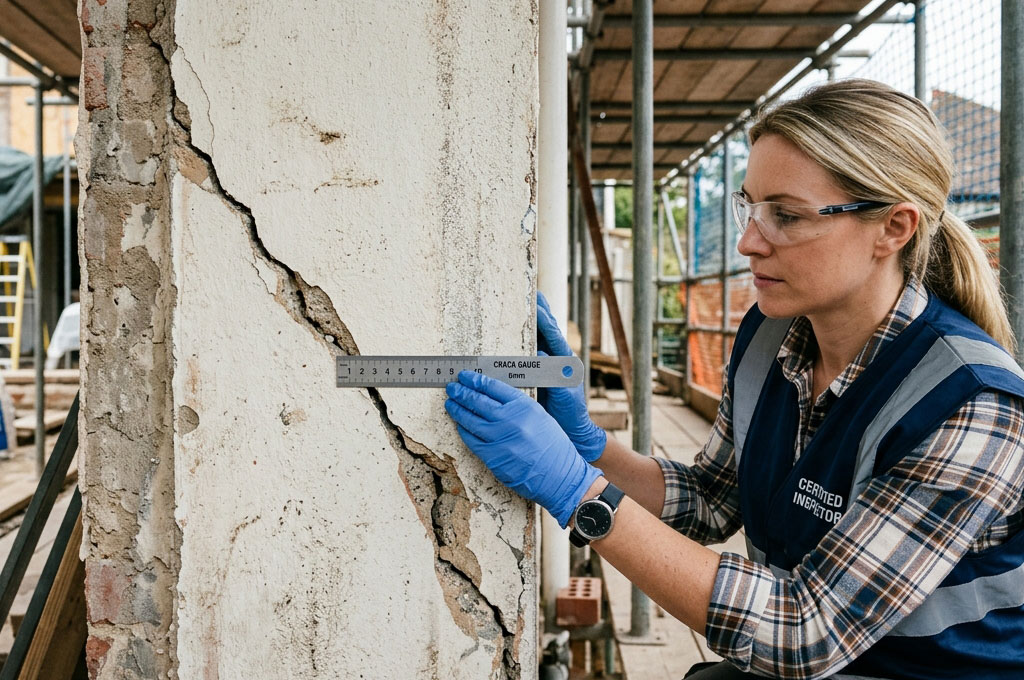 The size and appearance of a crack can provide useful clues, but they should not be considered a complete safety test. Pay attention to whether the crack is changing over time, whether it extends through several areas, and whether doors or windows have suddenly become difficult to open or close.
Other warning signs can include noticeable separation between walls and ceilings, uneven floors, cracks appearing in several connected areas, water entering through cracks, or visible damage to beams and columns. When several signs occur together, the situation deserves more attention than an isolated hairline surface crack.
If you notice significant or rapidly changing cracks, avoid simply covering them with paint or plaster before finding out why they appeared. A professional assessment can help identify whether the problem is cosmetic, related to movement, caused by moisture, or connected to a structural issue.
Cracks on Walls That Should Not Be Ignored
Cracks should receive particular attention when they are growing, unusually wide, diagonal, repeated after repairs, or accompanied by other signs of building movement. Cracks around structural members also deserve caution, especially when they extend into concrete or masonry rather than remaining within a thin finishing layer.
Another reason for concern is when similar cracks appear in multiple locations. For example, if cracks are appearing around several openings, along walls, and near structural members at the same time, there may be a common cause that needs investigation. The pattern can be more informative than any single crack.
When you are uncertain, it is better to ask a qualified professional than to guess. A structural engineer or appropriately qualified building professional can inspect the building, consider its construction and loading conditions, and determine whether further investigation or repair is necessary.
What Should You Do After Finding a Crack?
The first step is to observe rather than panic. Take clear photographs of the affected area and note where the crack is located. You can also record when you first noticed it and whether it appears to be changing. This information can be useful when discussing the problem with a professional.
Next, look at the surrounding area for other signs of movement or damage. Check whether nearby doors and windows operate normally and whether there are additional cracks around the same part of the building. Also consider recent events such as major construction work, unusual water problems, building alterations, or changes in the surrounding ground.
Most importantly, do not assume that filling a crack is always the solution. Repairing the visible line without addressing its cause can result in the crack returning. If the crack appears serious or affects a structural member, getting professional advice before carrying out repairs is the safer approach.
 How Can Cracks Be Prevented?
Good construction practices are one of the best ways to reduce the risk of serious cracking. Proper foundation design, suitable materials, correct reinforcement, adequate concrete curing, good drainage, and quality workmanship all contribute to a stronger and more durable building.
Water management is also important. Poor drainage can allow water to accumulate around foundations or enter parts of a building where it can contribute to deterioration. Keeping gutters, downpipes, drainage channels, and surrounding ground conditions properly maintained can help protect the building over time.
Regular inspection is another simple habit that can make a difference. You do not need to be a construction expert to notice changes. If you periodically inspect walls, ceilings, beams, columns, and other visible areas, you are more likely to notice when a small problem begins to change.
Final Thoughts on Cracks on Walls
Cracks on walls are common, but they should never be judged solely by their size or appearance. Some are caused by normal shrinkage or movement and may be relatively minor, while others can indicate foundation movement, construction defects, moisture problems, overloading, or deterioration of structural members.
The most important thing is to understand the difference between watching a minor surface crack and investigating a potentially serious structural problem. When cracks are growing, spreading, appearing in structural members, or occurring alongside other signs of movement, professional assessment is the sensible next step.
If you have discovered cracks in your home or building, take photographs, monitor any changes, and avoid simply covering the problem before understanding its cause. For more beginner-friendly guides on house construction, building defects, floor plans, and structural issues, explore our related articles and share this guide with someone who may find it useful.